
How peer pressure affects gambling decisions among friends
The Influence of Social Circles on Gambling
Peer pressure can significantly influence the decisions individuals make about gambling, often resulting in behavior they might not typically engage in alone. Friends and social circles create an environment where the normalization of gambling can lead to increased participation. When one person in a group places emphasis on the excitement of gambling, others may feel compelled to join in, even if it goes against their own preferences or values.
In essence, the desire to fit in can overshadow personal judgment. For instance, during gatherings or social events, individuals might feel pressured to participate in games they wouldn’t normally consider, such as online betting or casino activities. This dynamic acts as both a catalyst for risk-taking behavior and a mechanism for reinforcing certain attitudes towards gambling.
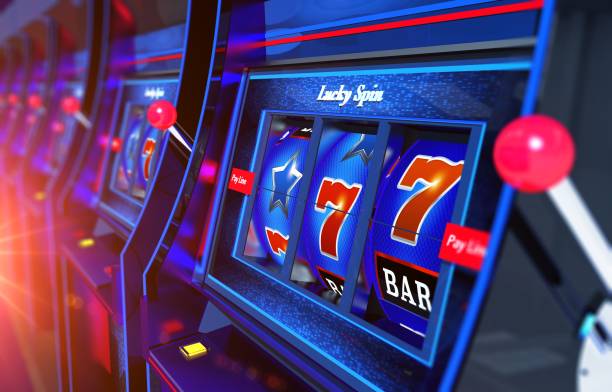
Moreover, the prevalence of gambling culture within friend groups can create a cycle where the normalization of gambling is perpetuated. As new members join these social circles, they might adopt similar behavior, believing it is a standard aspect of interaction. This continual reinforcement contributes to a collective identity centered around gambling, obscuring individual boundaries and leading to riskier behavior for the sake of social acceptance.
The Psychological Impacts of Group Dynamics
When making gambling decisions within a group, individuals may experience heightened emotional responses influenced by their peers. This can lead to impulsive choices, as the thrill and excitement felt in a group setting can overshadow rational thinking. The cheers of friends celebrating wins or commiserating losses can pull participants further into the gambling experience.
This phenomenon isn’t just about the thrill of winning; it’s also tied to the fear of missing out (FOMO). Individuals may gamble to avoid feeling excluded or left out of the excitement, even when they know it may not be in their best interest. These psychological pressures can cloud judgment, prompting decisions driven by social dynamics rather than informed considerations.
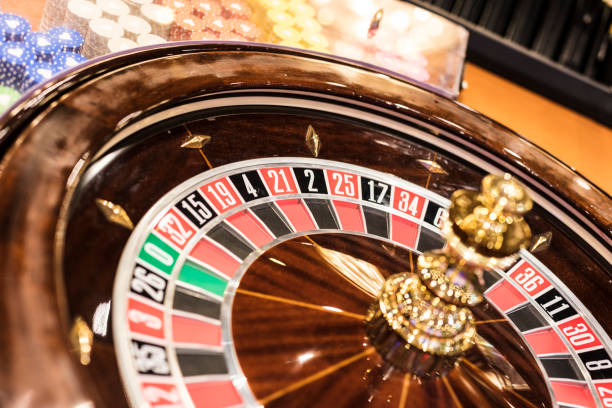
In addition to FOMO, there is also an element of conformity at play. Group members often subconsciously align their motivations and perceptions with those of the group. This collective mindset not only accelerates the decision-making process but also reduces the chances of questioning the appropriateness of their actions, leading to choices that range from poorly thought out to downright reckless.
The Role of Competitive Behavior
Competitive elements play a crucial role in how peer pressure influences gambling decisions. In many friendship circles, games may evolve into competitions to see who can win the most or outlast the others. This competitive spirit can lead individuals to gamble more money or partake in riskier bets than they would typically find acceptable.
The competitive nature of these interactions often leads to a “keeping up with the Joneses” mentality. When one friend raises the stakes, others may feel the need to respond in kind, compounding the risks associated with gambling. As gambling becomes framed as a contest among peers, individuals may find themselves trapped in a cycle of escalating bets, driven more by social dynamics than personal inclination.
This unhealthy competition can not only strain friendships but also result in feelings of inadequacy for those who may not be able to keep pace financially or emotionally. Such pressures can exacerbate mental health issues and create deep rifts within social circles if not addressed promptly and openly.
The Consequences of Peer Pressure on Gambling Outcomes
The consequences of allowing peer pressure to dictate gambling choices can be severe. Individuals may face financial repercussions, emotional distress, and the risk of developing gambling-related issues. When gambling decisions are heavily influenced by friends, the chance of losing track of limits or spending beyond means dramatically increases.
Furthermore, feelings of regret and embarrassment can arise after poor gambling decisions made under peer influence. This can lead to a sense of isolation or further compulsion to gamble in order to reclaim losses, creating a dangerous cycle. Over time, the habitual nature of these behaviors can escalate, resulting in long-term consequences for mental health and personal finances.
Additionally, the social consequences can be just as debilitating. Friends may drift apart due to differing attitudes toward gambling or the financial fallout of decisions driven by peer pressure. Repairing such relationships can be challenging when guilt and shame linger as unspoken obstacles between individuals.
Exploring Responsible Gambling Together
Understanding the dynamics of peer pressure can lead to healthier gambling behaviors among friends. Encouraging open discussions about limits and the potential risks associated with gambling can create a more supportive environment. By fostering a culture that values responsible gambling, friends can help each other make informed decisions rather than succumbing to pressure.
Platforms such as ice fishing casino game can also provide a fun, engaging way to enjoy gambling without the intense pressures often found in more competitive settings. By focusing on casual, less risky forms of entertainment, friends can explore their interests in a way that minimizes the negative effects of peer pressure.
The key is to establish mutual understanding and accountability within the group. By creating a space where members feel safe to express concerns or suggest alternative forms of entertainment, friends can help steer each other away from potentially harmful gambling behaviors while still enjoying camaraderie and fun together.